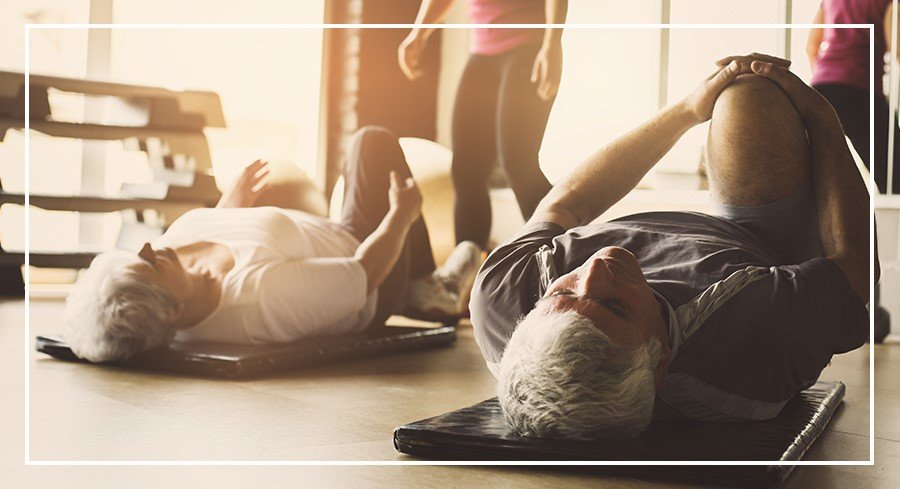

Resistance training injury prevention is about much more than building bigger muscles. Strength training can help prepare your muscles, tendons and joints for the physical demands of everyday life, exercise and sport.
Whether you’re an athlete, a weekend warrior or simply want to stay strong and mobile as you age, regular resistance training can play an important role in keeping your body capable and resilient.
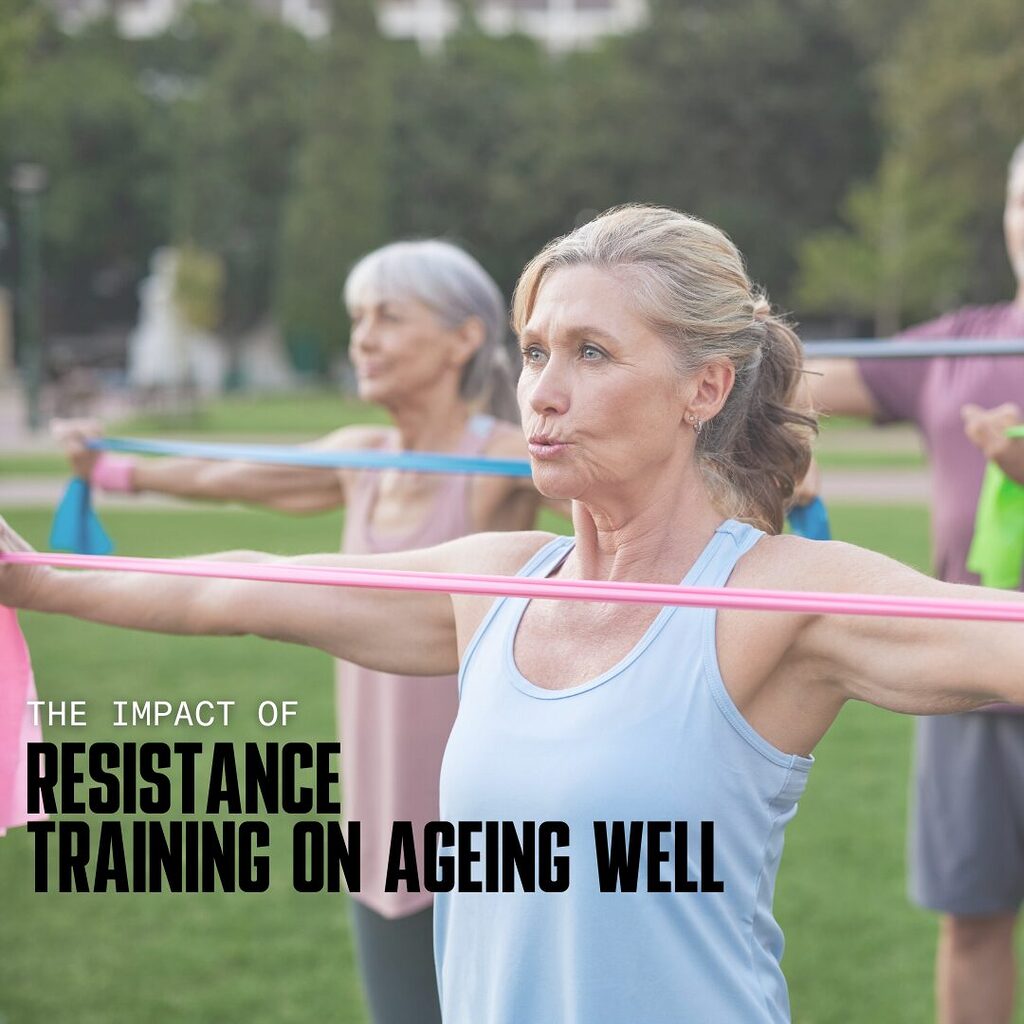
Why Strength Matters for Injury Prevention
Injuries can happen for many reasons. However, some non-contact and overuse injuries may occur when the body is not adequately prepared for the physical demands placed on it.
Muscle strength, joint control and the capacity of tendons to tolerate load all contribute to how well the body handles movement.
This is where resistance training becomes valuable.
A 2018 systematic review and meta-analysis by Lauersen and colleagues examined strength-training programmes designed to prevent sports injuries. The analysis included 7,738 participants and found that strength training was associated with a substantial reduction in acute and overuse sports injuries.
The researchers also found a dose-response relationship: increasing the amount of strength training was associated with a greater reduction in injury risk.
The message is simple: building strength is not only about performance. It can also help prepare your body for the demands you place on it.
Resistance Training Injury Prevention as We Age
Strength training becomes increasingly important as we get older.
Ageing is commonly associated with reductions in muscle strength, balance and physical capacity. These changes can affect everyday activities such as walking, climbing stairs and recovering your balance after a stumble.
A 2021 systematic review by Keating and colleagues examined resistance training in older adults. The research found that resistance training can improve walking speed and balance — two important factors for maintaining independence and physical function as we age.
Maintaining muscle mass and strength is therefore about far more than appearance. It can help support mobility, confidence and the ability to continue doing the things you enjoy.
A DEXA body composition scan can also provide an accurate measurement of muscle mass and help you track changes over time.
What About Your Joints?
Strong muscles help support movement around the joints, but more is not always better.
Research involving people with knee osteoarthritis highlights the importance of using an appropriate training load rather than simply lifting as heavily as possible.
The 2021 START randomised clinical trial compared high-intensity strength training with low-intensity strength training and an attention-control program in adults with knee osteoarthritis.
After 18 months, high-intensity strength training was not superior for reducing knee pain or knee joint compressive forces.
This is an important reminder that effective resistance training should be matched to the individual. The goal is not necessarily to lift the heaviest possible weight. It is to progressively develop strength using an appropriate program.
If you have an existing injury, joint condition or medical concern, speak with an appropriate health professional before beginning or significantly changing an exercise program.
Tendons Adapt to Resistance Training Too
Muscles are not the only tissues that respond to training.
Your tendons connect muscle to bone and are responsible for transferring force when you move. Like muscles, tendons can adapt when they are exposed to appropriate mechanical loading.
A systematic review and meta-analysis by Bohm and colleagues found that regular mechanical loading can increase tendon stiffness and influence tendon structure.
This is particularly relevant because tendons need to tolerate repeated forces during activities such as running, jumping, lifting and changing direction.
Gradual, appropriate loading gives the body an opportunity to adapt to these demands.
Strong Muscles and Strong Bones Work Together
Resistance training also has an important relationship with bone health.
Bones respond to mechanical loading, which is one reason resistance and weight-bearing exercise are commonly recommended as part of a bone-health strategy.
Understanding your current muscle mass and bone health can provide useful information when planning your training.
A DEXA bone density scan measures bone mineral density, while a DEXA body composition scan can measure lean mass, fat mass and how muscle is distributed throughout your body.
These measurements can provide an objective baseline and allow changes to be monitored over time.
Consistency Matters More Than Extreme Training
You do not need to train like a professional athlete to benefit from resistance exercise.
One of the most important principles is progressive overload: gradually asking your muscles to do more as your strength and capacity improve.
That might involve increasing:
- resistance or weight
- repetitions
- sets
- movement difficulty
- training frequency
Progress should be gradual rather than aggressive.
Research reviewed by Suchomel and colleagues also highlights that strength can be developed using different training loads and approaches. Training to complete muscular failure is not necessary for everyone.
For most people, a well-planned and consistent program is more useful than occasional extreme workouts.
Future-Proofing Your Body
Modern lifestyles often involve long periods of sitting and less physical activity than previous generations experienced.
That makes maintaining muscle strength and physical capacity increasingly important.
Resistance training injury prevention is not about making yourself indestructible. No exercise program can prevent every injury.
Instead, it is about improving your body’s capacity to tolerate physical demands.
Regular resistance training can help you:
- build and maintain muscle strength
- improve physical function
- support balance and mobility
- condition tendons to tolerate load
- support healthy bones
- prepare your body for everyday activity, exercise and sport
Strength isn’t only something you build for today. It is something you can invest in for the years ahead.
References
Bohm, S., Mersmann, F., & Arampatzis, A. (2015). Human tendon adaptation in response to mechanical loading: A systematic review and meta-analysis of exercise intervention studies on healthy adults. Sports Medicine – Open, 1(1), 7. https://doi.org/10.1186/s40798-015-0009-9
Keating, C. J., Cabrera-Linares, J. C., Párraga-Montilla, J. A., Latorre-Román, P. A., Del Castillo, R. M., & García-Pinillos, F. (2021). Influence of resistance training on gait and balance parameters in older adults: A systematic review. International Journal of Environmental Research and Public Health, 18(4), 1759. https://doi.org/10.3390/ijerph18041759
Lauersen, J. B., Andersen, T. E., & Andersen, L. B. (2018). Strength training as superior, dose-dependent and safe prevention of acute and overuse sports injuries: A systematic review, qualitative analysis and meta-analysis. British Journal of Sports Medicine, 52(24), 1557–1563. https://doi.org/10.1136/bjsports-2018-099078
Messier, S. P., Mihalko, S. L., Beavers, D. P., et al. (2021). Effect of high-intensity strength training on knee pain and knee joint compressive forces among adults with knee osteoarthritis: The START randomized clinical trial. JAMA, 325(7), 646–657. https://doi.org/10.1001/jama.2021.0411
Suchomel, T. J., Nimphius, S., Bellon, C. R., & Stone, M. H. (2018). The importance of muscular strength: Training considerations. Sports Medicine, 48(4), 765–785. https://doi.org/10.1007/s40279-018-0862-z