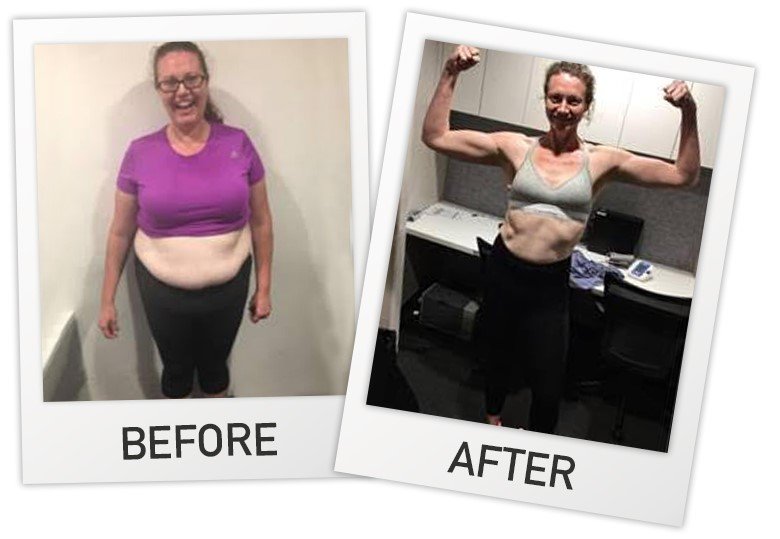
Muscle mass is not just about lifting weights or looking strong. It is also an important sign of how long and how well you may live.
As we age, we naturally lose muscle. However, this decline does more than make us weaker. It can also affect our health, movement, balance, and ability to recover from illness or stress.
Muscle plays a central role in metabolism, mobility, and resilience. Therefore, when muscle mass declines, the body may find it harder to regulate blood sugar, maintain balance, and stay independent.
Muscle Mass Is Linked to Longer Life
Large studies consistently show that lower muscle mass is linked with a higher risk of early death.
For example, a 2017 longitudinal study by Santanasto et al. found that people who preserved lean mass over time had a lower risk of all-cause mortality. In other words, maintaining muscle may be an important marker of long-term health.
Similarly, a prospective study published in Scientific Reports found that higher skeletal muscle mass was linked to better survival in adults aged over 90. This shows that muscle remains important even in very advanced age.
As a result, maintaining muscle mass is a key part of healthy aging and longevity.
Muscle Supports More Than Strength
Muscle also works closely with other important systems in the body.
For instance, research shows that low muscle mass combined with low bone density may further increase mortality risk. This suggests that muscle and bone health should not be viewed separately. Instead, they work together as part of the wider musculoskeletal system.
In addition, maintaining muscle helps support balance, mobility, and everyday function. These are all important for staying independent as we age.
Simple daily tasks, such as climbing stairs, carrying groceries, getting out of a chair, or walking confidently, all depend on muscle strength and function.
Muscle Is a Metabolic Organ
Importantly, muscle is not passive tissue. It acts as a metabolic organ.
Muscle helps regulate glucose, supports energy balance, and produces signalling molecules that influence inflammation. Because of this, maintaining muscle may help reduce the risk of chronic diseases such as type 2 diabetes and cardiovascular disease.
Therefore, building and preserving muscle is not only about fitness. It is also about long-term health.
How to Maintain Muscle as You Age
The most effective way to build and maintain muscle is through resistance training.
Aim for 2–3 resistance training sessions per week. These sessions should include compound movements such as:
- Squats
- Lunges
- Push exercises
- Pull exercises
- Upper body strength movements
In addition, support your training with enough protein and regular daily movement.
The goal is not to look like Arnie. Instead, the goal is to preserve and support the muscle you already have, while building enough strength to stay healthy, mobile, and independent.
The Bottom Line
Muscle is a key foundation for longevity.
By investing in muscle now, you are also investing in how well you will move, function, and live in the decades ahead.
References
Kirk, B., Harrison, S. L., Zanker, J., Burghardt, A. J., Orwoll, E. S., Cawthon, P. M., & Duque, G. (2025). Interactions between bone density and muscle mass in predicting all-cause mortality: A 10-year prospective cohort study. Age and Ageing, 54(7), afaf189. https://doi.org/10.1093/ageing/afaf189
Pedersen, B. K., & Febbraio, M. A. (2012). Muscles, exercise and obesity: Skeletal muscle as a secretory organ. Nature Reviews Endocrinology, 8(8), 457–465. https://doi.org/10.1038/nrendo.2012.49
Santanasto, A. J., Goodpaster, B. H., Kritchevsky, S. B., Miljkovic, I., Satterfield, S., Schwartz, A. V., Cummings, S. R., Boudreau, R. M., Harris, T. B., & Newman, A. B. (2017). Body composition remodeling and mortality: The Health, Aging, and Body Composition Study. The Journals of Gerontology: Series A, 72(4), 513–519. https://doi.org/10.1093/gerona/glw163
Wang, H., Hai, S., Liu, Y., Liu, Y., & Dong, B. (2019). Skeletal muscle mass as a mortality predictor among nonagenarians and centenarians: A prospective cohort study. Scientific Reports, 9, 2420. https://doi.org/10.1038/s41598-019-38893-0