Many people start a fitness journey wanting to build muscle and lose fat at the same time. This goal, known as body recomposition, is genuinely achievable — but how well it works for you depends on your training history, current body composition, diet and expectations.
What Is Body Recomposition?
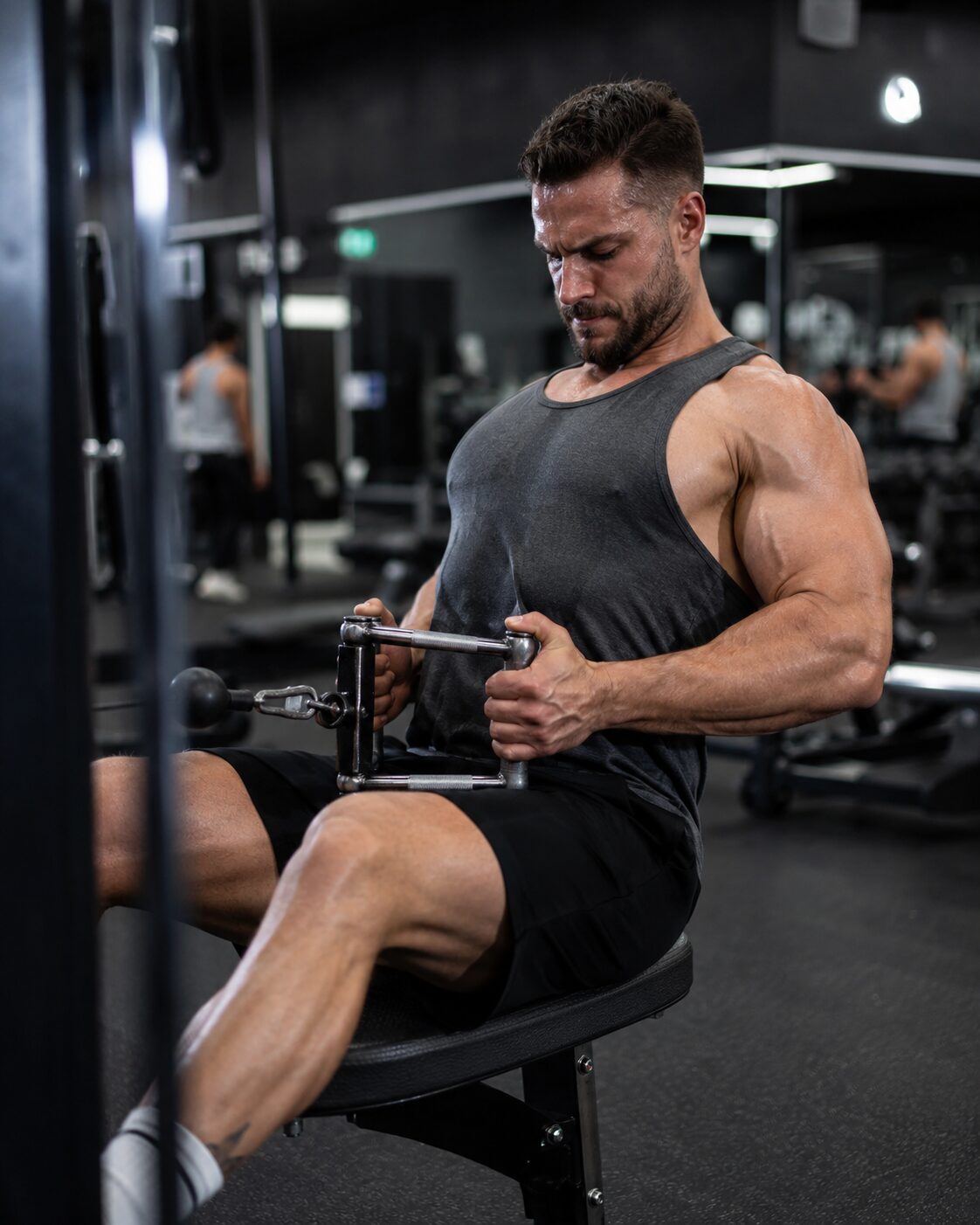
Body recomposition means gaining lean muscle and losing body fat over the same period, rather than treating the two as separate phases. It works because resistance training stimulates muscle protein synthesis, while a modest energy deficit encourages the body to draw on fat stores for fuel. Run together with the right diet, these two processes can move in your favour at once.
Who Benefits Most from Body Recomposition
Body recomposition tends to be most effective for beginners, people returning to training after a break, and individuals carrying excess body fat. Studies show that combining progressive resistance training with a high-protein diet (roughly 1.6–2.4 g/kg per day) can increase lean mass while reducing fat mass, particularly in untrained or overweight individuals (Morton et al., 2018; Murphy & Koehler, 2022).
Why Body Recomposition Gets Harder as You Progress
For more experienced lifters, body recomposition becomes more difficult. Building muscle requires energy and adequate recovery, while losing fat requires a calorie deficit — and these are competing physiological demands. As a result, experienced lifters typically build muscle more effectively during a small calorie surplus, then lose fat more efficiently during a dedicated fat-loss phase (Helms et al., 2014; Slater et al., 2019).
Track Your Body Fat And Lean Mass
How to Maximise Muscle Growth While Losing Fat
Managing expectations is central to a successful body recomposition. Muscle growth is usually slower during a calorie deficit, and aggressive dieting raises the risk of losing lean tissue along with fat. Research suggests you’ll get the best results from:
- A modest energy deficit — around 10–20% below maintenance
- Sufficient daily protein intake
- Progressive resistance training
- Adequate sleep and recovery
Together, these habits maximise the chances of preserving — or even gaining — muscle while reducing fat (Jäger et al., 2017; Murphy & Koehler, 2022).
[Insert image: Simple before/after or progress-tracking graphic] (alt text: “body recomposition progress results”)
Is Body Recomposition Right for You?
Body recomposition is an excellent strategy for many people, but it isn’t always the fastest route to maximal muscle gain or maximal fat loss. Whether a recomposition approach or separate muscle-building and fat-loss phases suit you best depends on your goals, training experience and current body composition. Focusing on consistent habits — rather than chasing rapid changes — is what actually produces sustainable, long-term results.
track lean mass and fat mass changes over time
Related Reading
VO2 max and cardiovascular fitness
hand grip strength as a health marker
References (APA 7th Edition)
Helms, E. R., Aragon, A. A., & Fitschen, P. J. (2014). Evidence-based recommendations for natural bodybuilding contest preparation: Nutrition and supplementation. Journal of the International Society of Sports Nutrition, 11(1), 20. https://doi.org/10.1186/1550-2783-11-20
Jäger, R., Kerksick, C. M., Campbell, B. I., et al. (2017). International Society of Sports Nutrition position stand: Protein and exercise. Journal of the International Society of Sports Nutrition, 14, 20. https://doi.org/10.1186/s12970-017-0177-8
Morton, R. W., Murphy, K. T., McKellar, S. R., et al. (2018). A systematic review, meta-analysis and meta-regression of the effect of protein supplementation on resistance training-induced gains in muscle mass and strength in healthy adults. British Journal of Sports Medicine, 52(6), 376–384. https://doi.org/10.1136/bjsports-2017-097608
Murphy, C. H., & Koehler, K. (2022). Energy deficiency and its effects on skeletal muscle mass and function in physically active populations. European Journal of Applied Physiology, 122(6), 1169–1184. https://doi.org/10.1007/s00421-022-04946-8
Slater, G. J., Dieter, B. P., Marsh, D. J., Helms, E. R., Shaw, G., & Iraki, J. (2019). Is an energy surplus required to maximise skeletal muscle hypertrophy associated with resistance training? Frontiers in Nutrition, 6, 131. https://doi.org/10.3389/fnut.2019.00131